Gardening in October: A Second Beginning

Sep 29
4 min read
There is something about October that always feels like a turning point.
The garden begins to slow. Leaves loosen from the trees and drift across the lawn. Greens soften into gold, orange and brown. The air changes too, cooler, quieter, with that unmistakable feeling that the year is beginning to fold in on itself.
I have always loved this time of year.
It is the season of candles, blankets, fires being lit and hot chocolate held between cold hands. The garden may be preparing to sleep but there is still so much life to notice before winter arrives.
Wrapped in a blanket, sitting outside for a few quiet minutes, you can still watch the last of the bees and insects moving between late flowers. Rudbeckia, asters, sedums and other autumn blooms continue to offer colour, nectar and movement when much of the garden is beginning to fade.
There is something very comforting about that.
The garden is not finished. It is simply changing pace.

A Softer Season
October reminds us that slowing down is part of the cycle.
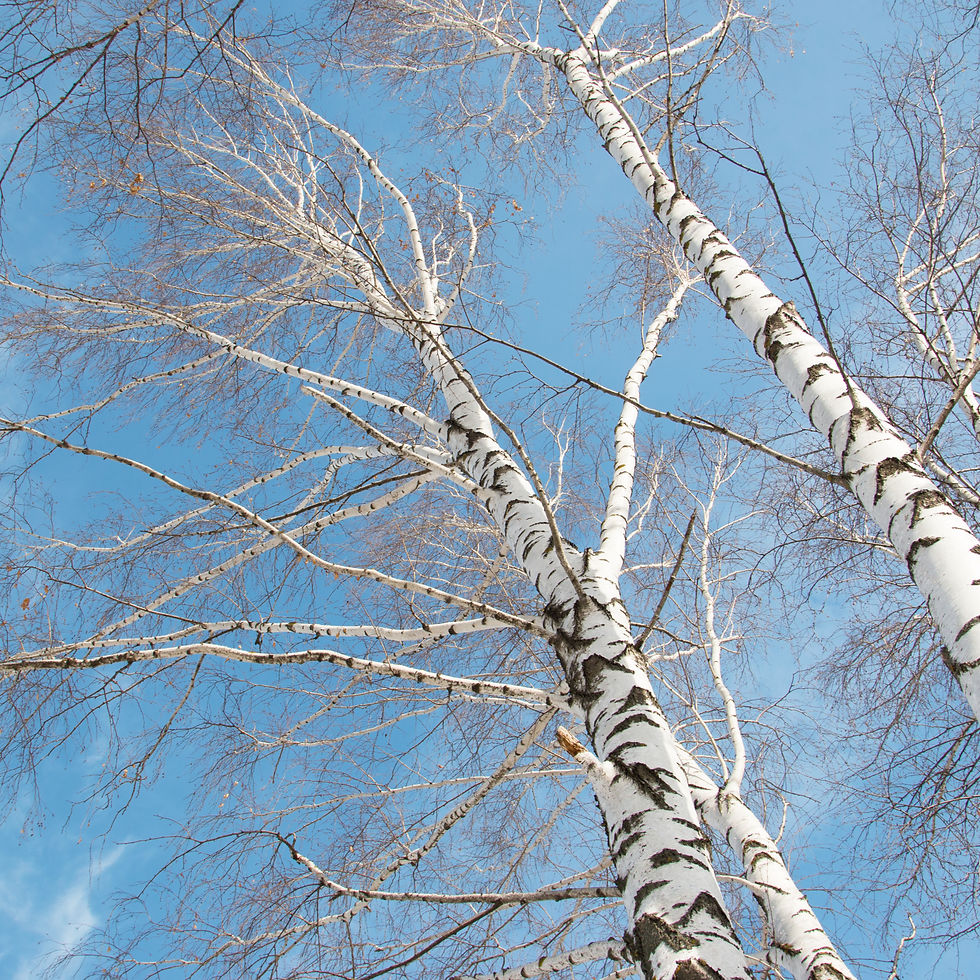
After the fullness of summer, autumn brings a different kind of beauty. Seed heads, fallen leaves, low light, bare branches beginning to show their shape. The garden becomes less about abundance and more about texture, structure and atmosphere.
It is easy to see this time of year as an ending, but I often think of it as a second beginning.
Children go back to school with new coats, new shoes and fresh routines. Homes begin to shift towards winter. We clear cupboards, sort drawers, tidy corners and prepare ourselves for the colder months ahead.
The garden invites us to do the same.
Not to strip everything away, but to gently edit, clear and prepare.

Fallen leaves can be collected from paths and lawns, but where possible, allow some to remain under hedges, shrubs and trees. They provide shelter for insects and help improve the soil as they break down.
Pots can be cleared, tools cleaned, furniture covered or stored, and tired summer bedding removed. Borders can be lightly edited, but they do not need to be made bare.
Leaving some stems, leaves and seed heads is not neglect. It is part of creating a living garden.
A little untidiness can offer food, shelter and protection for wildlife. It can also make the garden feel softer and more connected to the season.
October is also a good time to look honestly at what has worked this year. Which parts of the garden brought you joy? Which areas felt too demanding? Which plants performed well? Which spaces did you actually use?
These quiet observations are often just as useful as any formal plan. As the garden slows, it can feel natural to tidy a little. The aim is not perfection. It is preparation.

Three Practical October Garden Jobs
1. Clear leaves from lawns, paths and drains. Fallen leaves can quickly make paths slippery and lawns patchy if left too thickly. Collect them from hard surfaces and grass, then tuck some under hedges, shrubs or trees where they can break down naturally and provide shelter for wildlife.
2. Cut back only what you need to. Remove collapsed, soggy or diseased growth, but leave some seed heads, hollow stems and late flowers standing. They add winter structure and can provide food and shelter for birds, insects and other garden wildlife.
3. Plant spring bulbs. October is a good time to plant many spring flowering bulbs such as daffodils, crocus, alliums and muscari. Planting now is a small act of hope, a quiet promise of colour waiting beneath the soil for next year.

From The Kitchen: Apple Crumble
October is also a beautiful time for apples. Whether they come from your own garden, a neighbour’s tree or the local farm shop, they feel perfectly suited to this season. An apple crumble is simple, comforting and hard to beat.
Ingredients
For the fruit filling
5–6 medium cooking apples, peeled, cored and chopped
2 tablespoons caster sugar or light brown sugar
1 teaspoon cinnamon
1 tablespoon lemon juice
Optional: 1–2 pears, chopped, or a handful of blackberries
For the crumble topping
175g plain flour
100g cold butter, cubed
75g caster sugar or light brown sugar
Optional: 40g oats for extra texture
Instructions
Preheat the oven to 180°C fan / 200°C / Gas Mark 6.
Peel, core and chop the apples into small chunks.
Place the apples in an ovenproof dish and mix with the sugar, cinnamon and lemon juice.
In a separate bowl, rub the flour and cold butter together with your fingertips until the mixture looks like breadcrumbs.
Stir the sugar into the crumble mixture. Add oats too, if using.
Sprinkle the crumble topping evenly over the apples.
Bake for 30–40 minutes, until the top is golden and the fruit is soft and bubbling.
Serve warm with custard, cream, ice cream or yoghurt.
Simple, comforting and perfect for using autumn apples, this crumble is exactly the kind of pudding October seems made for.
Welcoming The Season
October asks us to notice change.
The garden is quieter now, but not empty. The colours are softer, the light is lower, and the pace is slower. There is comfort in that.
This is the month to wrap up, step outside, watch the last insects move through the flowers and feel thankful for everything the garden has given.
Winter will come soon enough.
For now, there is still warmth in the leaves, sweetness in the fruit, and beauty in the slowing down.


Comments