Gardening in January: Steps for Nurturing Your Wellbeing in the Winter
- Paul Johnson

- Dec 31, 2025
- 4 min read
As the new year unfolds and January brings its crisp air and quiet landscapes, the garden enters its most reflective season. While growth above ground slows, this is a powerful month for restoration—both for your garden and for you. January invites us to pause, plan, and care for the natural world in small, meaningful ways that support future abundance.
In this post, we’ll explore gentle, sustainable gardening tasks for January, ways to boost your wellbeing outdoors even on cold days, and a seasonal recipe to nourish you from within. Let’s embrace this peaceful winter month as an opportunity to reconnect with nature and reset our intentions for the year ahead.

Sustainable Gardening Practices for January
1. Prune Apple & Pear Trees
January is the perfect moment for pruning dormant fruit trees, especially apples and pears. Pruning now helps:
Improve airflow and prevent disease
Encourage stronger fruiting branches
Shape the tree for long-term health
Reduce the need for chemical interventions later
It’s also a mindful, steady winter task that gets you gently moving outside. Just remember: Only prune in dry weather to avoid spreading disease.
2. Protect and Care for Your Garden Structures
Winter takes a toll on sheds, fences, raised beds and greenhouses — and January is ideal for checking, repairing, and protecting them before spring.
Tasks you can include:
Sweep debris and algae from greenhouse glass to maximise winter light
Check guttering to prevent waterlogging
Repair loose panels or fence posts after storms
Add insulation to greenhouses or cold frames
Treat wooden structures with eco-friendly preservative
This is a very sustainable winter job because it:
Extends the life of what you already have
Reduces the need to buy new materials
Prepares your garden space for peak growth season
It’s also deeply satisfying and offers a sense of calm control during a month where everything else feels slow and still.
3. Care for Your Tools
Your tools work hard for you all year—January is the time to return the favour. Clean, sharpen, and oil your secateurs and spades. Maintaining tools extends their lifespan, preventing rust and reducing the need to buy replacements.
Not only is this sustainable, it’s deeply satisfying—a calm, mindful winter task that prepares you for the energetic months to come.
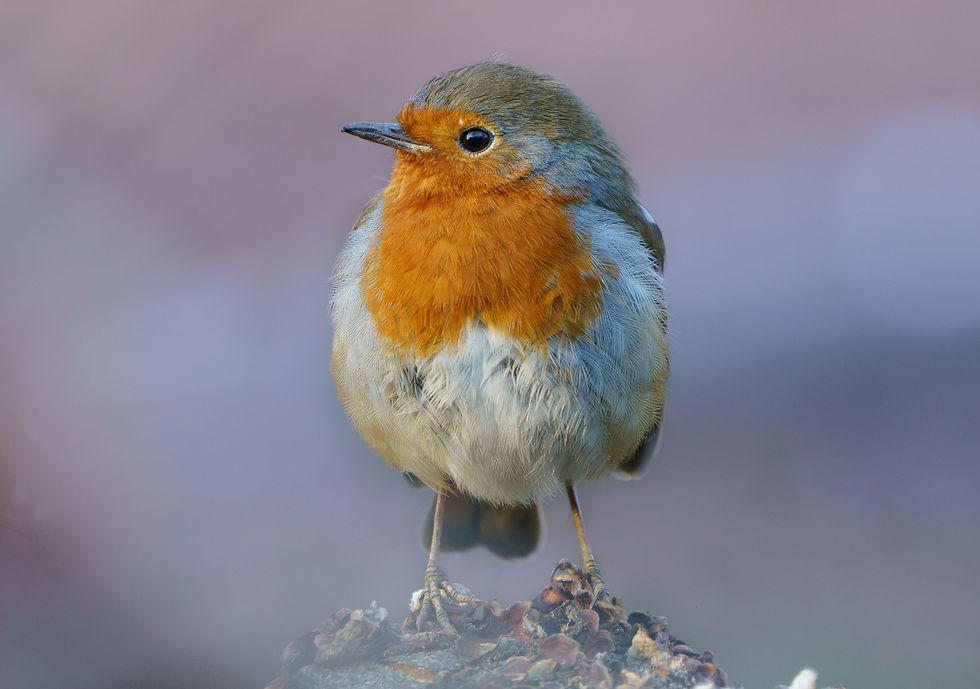
4. Support Winter Wildlife
Food is scarce for birds, insects, and small mammals in January. You can help by:
Refreshing bird feeders weekly
Putting out fresh water (check for ice daily)
Leaving seed heads and hollow stems standing
Creating a log pile or brush heap for shelter
Studies show that gardens offering winter food can increase the survival of small bird species by up to 15%. The benefit comes back to you in spring, too—these birds help naturally manage pests.
The Mental Health Benefits of Getting Outside in January
Short days and cold temperatures can make it tempting to stay indoors, but spending even a few minutes outside offers measurable wellbeing benefits. Exposure to natural daylight helps regulate your circadian rhythm, improving sleep and lowering fatigue.
Research shows that time spent in nature during winter can reduce symptoms of seasonal low mood by boosting serotonin levels and decreasing stress hormones like cortisol.
Mindfulness in the Winter Garden
January teaches us to slow down. Try embracing this through mindful outdoor moments:
Notice the shapes of bare branches against the sky
Listen to the crunch of frost underfoot
Take five deep breaths while watching your breath form in the cold air
Observe early bulbs beginning to stir below the soil
These small practices can anchor you in the present moment, building resilience and calm during a traditionally heavy month.
Seasonal Recipe to Warm Your January
Spiced Winter Vegetable & Lentil Soup
A wholesome, comforting recipe using some of January’s best seasonal ingredients.
Ingredients:
1 tbsp olive oil
1 onion, chopped
2 carrots, diced
1 parsnip, diced
1 small swede or turnip, diced
2 garlic cloves, crushed
1 tsp ground cumin
1 tsp smoked paprika
150g red lentils
1.2L vegetable stock
Salt and pepper to taste
Fresh herbs (parsley or coriander)
Instructions:
Heat the olive oil in a large pan and sauté the onion until soft.
Add carrots, parsnip, swede, and garlic. Cook for 5 minutes.
Stir in cumin and paprika. Cook for 1 minute until fragrant.
Add lentils and stock. Simmer for 25 minutes until vegetables and lentils are tender.
Season and stir through fresh herbs before serving.
This warming soup is rich in fibre, protein, and flavour—perfect after a brisk winter walk or a quiet afternoon in the garden.
Embrace January’s Quiet Strength
January may be the coldest and stillest month, but it offers a rare kind of clarity. By tending gently to what already exists — from pruning fruit trees to repairing and caring for your garden structures — you invest in long-term resilience rather than instant results. These quiet, thoughtful tasks help create a healthier, more sustainable garden that’s ready to flourish when spring returns.
And as you step outside, even for a short while, you’re nurturing more than the garden. The calm rhythm of winter work, the soft crunch of frost underfoot, and the satisfaction of small, steady progress all support your own wellbeing too.
Let this peaceful month be a reminder that growth doesn’t always look like new shoots or bright blooms — sometimes it’s the quiet strengthening beneath the surface, in your garden and in yourself.


Comments